Blog
The “Research Grade” Dilemma
The "Research Grade" Dilemma: How to Verify Your Peptides in a Gray Market
The peptide industry is often described as the "Wild West" of modern biology. With the explosion of interest in metabolic health, longevity, and physical optimization, dozens of suppliers have cropped up overnight. For the diligent researcher, this creates a significant "Research Grade" dilemma: how do you distinguish between a professional laboratory and a "bathtub chemist" operating out of a garage?
In an industry where substances are sold for laboratory use, the burden of verification falls on the buyer. To navigate this space safely, you must move beyond marketing claims and learn the technical language of chemical verification. The gold standard in this industry is transparency specifically regarding the purity of the compounds you are studying.
What Does "99% Purity" Actually Mean?
When browsing for high purity peptides UK suppliers, you will see the "99% Purity" claim on almost every landing page. But without a verifiable report, this number is just digital ink.
In a laboratory context, purity refers to the absence of contaminants, degradation products, or residual solvents from the manufacturing process. A purity of 99% means that for every 100 molecules in the vial, 99 of them are the intended peptide sequence. While 1% impurity might sound negligible, in sensitive research protocols, that 1% could represent "trifluoroacetic acid" (TFA) or bacterial endotoxins that can skew your data and ruin your results.
A Guide to Reading HPLC and Mass Spec Reports
To verify a claim of high purity, you must understand how to read a COA (Certificate of Analysis). A legitimate COA is generated by independent peptide testing labs and consists of two primary technical documents: HPLC and Mass Spectrometry.
1. HPLC (High-Performance Liquid Chromatography)
HPLC is used to determine the purity of the sample. The report will show a graph with various peaks.
The Main Peak: This should be a tall, sharp, singular spike representing the peptide.
The Integration Table: This table calculates the area under the peaks. In a 99% pure sample, the area of the main peak will account for 99% of the total area on the graph.
What to watch out for: "Shoulders" or small secondary peaks immediately next to the main spike. These indicate degradation or "truncated" sequences where the peptide chain didn't form correctly.
2. Mass Spectrometry (MS)
While HPLC tells you how pure the substance is, Mass Spec tells you what the substance actually is. It confirms the identity of the molecule by measuring its molecular weight.
The Expected Mass: Every peptide has a specific molecular mass (measured in Daltons). For example, if you are testing BPC-157 5mg, the Mass Spec must show a peak that matches the known molecular weight of the BPC-157 sequence.
The Result: If the HPLC shows 99% purity but the Mass Spec shows the wrong molecular weight, you have a very pure vial of the wrong substance.
LIGHTING
10 x Aspen Sustanon 250mg 1ml ampoule
2 x Tiromel T3 (Liothyronine Sodium) – 25mcg x (100 Tablets)
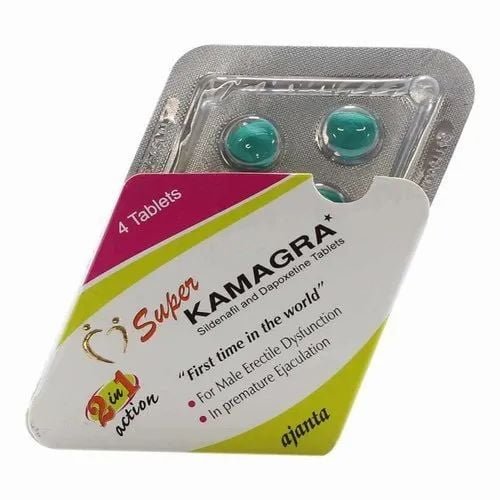
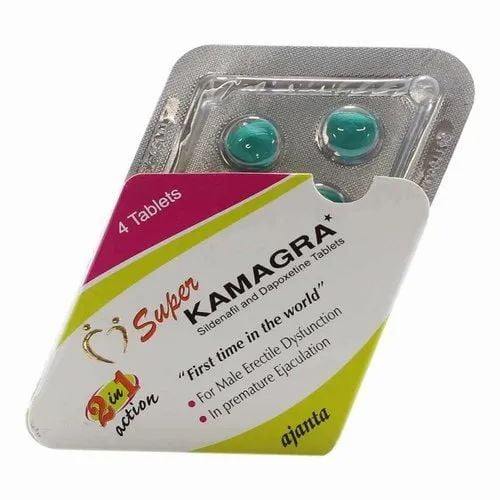
3 x Super Kamagra 2in1 Action (12 Tablets)
Abdi Ibrahim B12 Cobalex 1000mcg 1ml Amp x 5
ADELPHI ANAVAR (OXANDROLONE) 10MG 100 X TABLETS
Adelphi Anavar 50mg 60xTablets (Oxandrolone)
Spotting the Red Flags in the UK Market
As a researcher, your first line of defense is the source. Professional suppliers don't just "claim" quality; they prove it.
Static vs. Dynamic Testing: Some shops post a single COA from 2022 and apply it to all current stock. This is a major red flag. Quality varies by batch. A reputable source for research grade compounds should provide batch-specific testing that matches the lot number on your vial.
Third-Party Verification: Internal testing (testing performed by the factory that made the peptide) is inherently biased. Look for reports from independent, third-party peptide testing labs located in the UK, USA, or Europe.
The "Too Good to be True" Price: High-quality synthesis and multi-stage purification are expensive. If a price is 50% lower than the market average, the supplier is likely skipping the expensive purification steps or skipping the third-party testing entirely.
Why Verification Matters for Your Protocol
Whether you are investigating the Wolverine Stack for tissue recovery or exploring the metabolic effects of Retatrutide, the integrity of your research depends on the purity of your tools.
Using unverified peptides introduces "noise" into your study. If your research subject shows an unexpected inflammatory response, is it a side effect of the peptide itself, or is it a reaction to a 5% impurity that shouldn't be there? By insisting on verified CJC-1295 5mg and other high-purity sequences, you eliminate variables and ensure that your findings are accurate.
Conclusion: Bridging the Trust Gap
The "Research Grade" dilemma is solved through education and transparency. By learning how to read a COA and understanding the role of peptide testing labs, you move from a passive consumer to an informed researcher.
In the "Wild West" of the peptide market, data is your only true protection. Always demand the HPLC and Mass Spec reports, verify the batch numbers, and only partner with suppliers who treat purity as a clinical requirement rather than a marketing suggestion.
Dedicated to Data-Driven Research. Explore our library of batch-tested research peptides and ensure your next protocol is built on a foundation of 99%+ purity.